Search This Blog

Sunday, September 1, 2019

Philip Marlowe, Ginger Beer and an Ice Cream Bean Tree

I was recently listening to one of the old time “The Adventures of Philip Marlowe” radio shows. This particular episode is titled “A Young Man’s Fancy”. Here is a link for all kinds of old radio shows, including Philip Marlowe.

 It was a hot day in Los Angeles and Marlowe decided he needed to buy ginger beer to make Moscow Mules - a cool drink to have on a very warm day. The ginger beer intrigued me, as did a Moscow Mule.

So I did some sleuthing (like Marlowe) and found an article in the Tico Times on how to make ginger beer here in Costa Rica. I also found out what a Moscow Mule is. Making the ginger beer is easy with just a few items - fresh ginger, water and tapa de dulce which is readily available here in any store and is quite inexpensive.

Here is the tapa de dulce melting in hot water. The syrup is used in making the wild yeast garden and also the finished beer.


Below on the left is the wild yeast garden. It is covered with a cloth to keep bugs out and let air in. Every other day, I added a bit of tapa de dulce and grated ginger. In two to six days in tropical weather, wild yeast begins to grow and the culture is active and can be used to brew the ginger beer. You can read the directions in the Tico Times link mentioned above. On the right is the mixture fermenting. In about two to three days it can be used. The cap has to be opened once a day to release any pressure. The longer it sits, the more alcohol levels will build up. Both containers are kept in a darkened cupboard. Once the ginger beer is ready, it goes into the refrigerator. Aside from Moscow Mules, it makes a nice drink by itself over ice.


The finished product is really good and my Moscow Mules are quite tasty.

Now - the ice cream bean tree that I mentioned. There’s a large tree in the vacant lot next to us and I had noticed that it had dropped a lot of large seed pods that I erroneously thought were tamarind. Yesterday some people were picking the pods from the tree so I wondered what that tree was. I got a pod and slit it opened.

It looked like this inside - olive colored seeds covered with what sort of looked like cotton candy. The pod itself is about five inches long.


I had never seen this before. In Costa Rica, you don’t taste, eat or sometimes touch anything until you know exactly what it is. So I put the picture up on my Costa Rican Facebook gardening site and before long my expert gardening friends had the answer. It is from the ice cream bean tree or more properly inga edulis. In Costa Rica, it is known as the guabo. The white cotton candy substance can indeed be eaten and it tastes really good - kind of like vanilla and cream. The beans can be cooked and apparently taste like garbanzos. So now I know why people were picking the pods. I’ll have to go and get more myself.

Sunday, August 18, 2019

The Ark Herb Farm

Recently we drove to the Ark Herb Farm, an interesting botanical garden on the side of the Barva volcano, Santa Barbara de Heredia. It’s a huge operation and well worth visiting. They have over 1600 species of plants.

There’s a closed entrance gate that they will open when you ring the bell. A really nice young lady met us at the sale nursery and gave us brochures and explained where things were. Entry cost is reasonable - 4,000 CRC each (about $7 USD). You can wander around on your own or take a tour with an expert guide. We decided to mosey around on our own. There appeared to be a lot of work going on. A large restaurant was being built and some of the garden areas were not yet planted. The weather wasn’t the best that day so we didn’t go on the trails.

Of course I had to go into the sale nursery and came out with a culantro plant and a sage plant. Every month I get an email from the Ark Farm listing every herb, bush, tree and plant they have to offer that month. You can place your order via email and they will have it ready for you when you get to the farm. One building was called The Meadery and this is where they produce mead using honey from their own bees.


Random photos:


The meadery building:


The sale greenhouse:


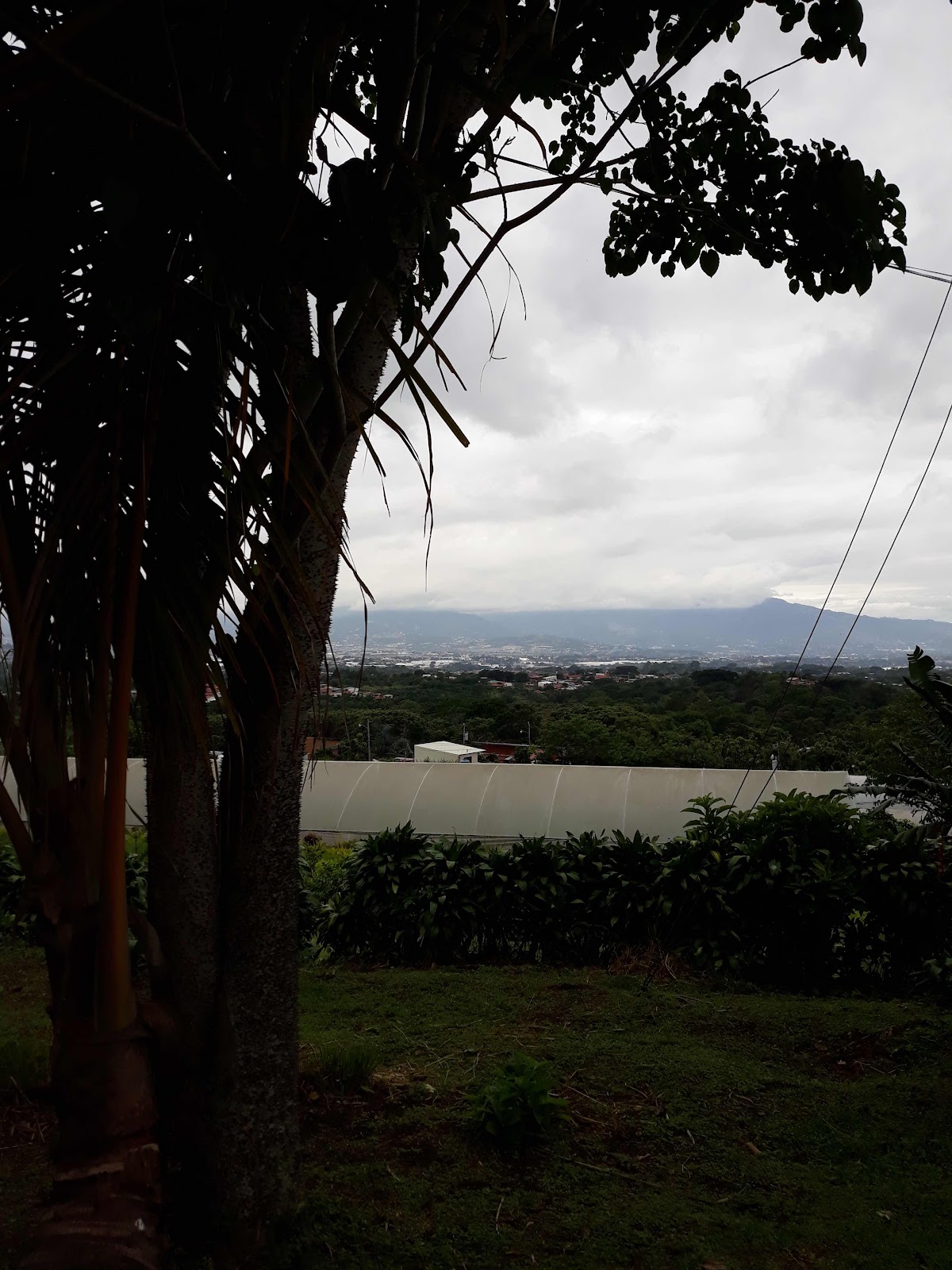
Overcast day:


This would be a great place for a plant aficionado. They offer different activities and courses on the weekends, including a “farm to table” lunch. There’s also a treehouse that’s for rent!

Sunday, August 4, 2019

Eyes on Costa Rica and Weather Records - July 2019

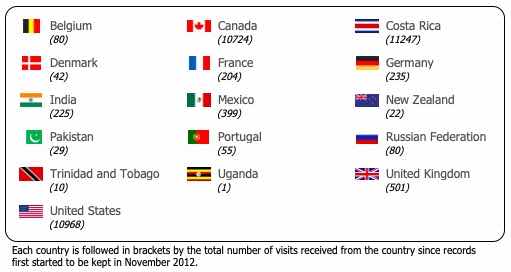
In July, visits to this blog were received from the following countries:


The total number of countries from which visits have been received is now 126, the most recent being Uganda identified above. The source of the one visit from that country was Kampala (the capital city).

The following is a summary of the weather for the month of July in the area where we live:


The amount of rain was marginally less than that in June. Although there were several days with rain, the amount on most days was quite small - less than 1/10 inch (.025 cm). A number of days were cloudy all day. Distant thunder could be heard but no rain was produced in our area.

The high temperature of 87 °F (30.6 °C) was a one time event. The high on most days was significantly cooler.

Sunday, July 21, 2019

Puntarenas, Puntarenas

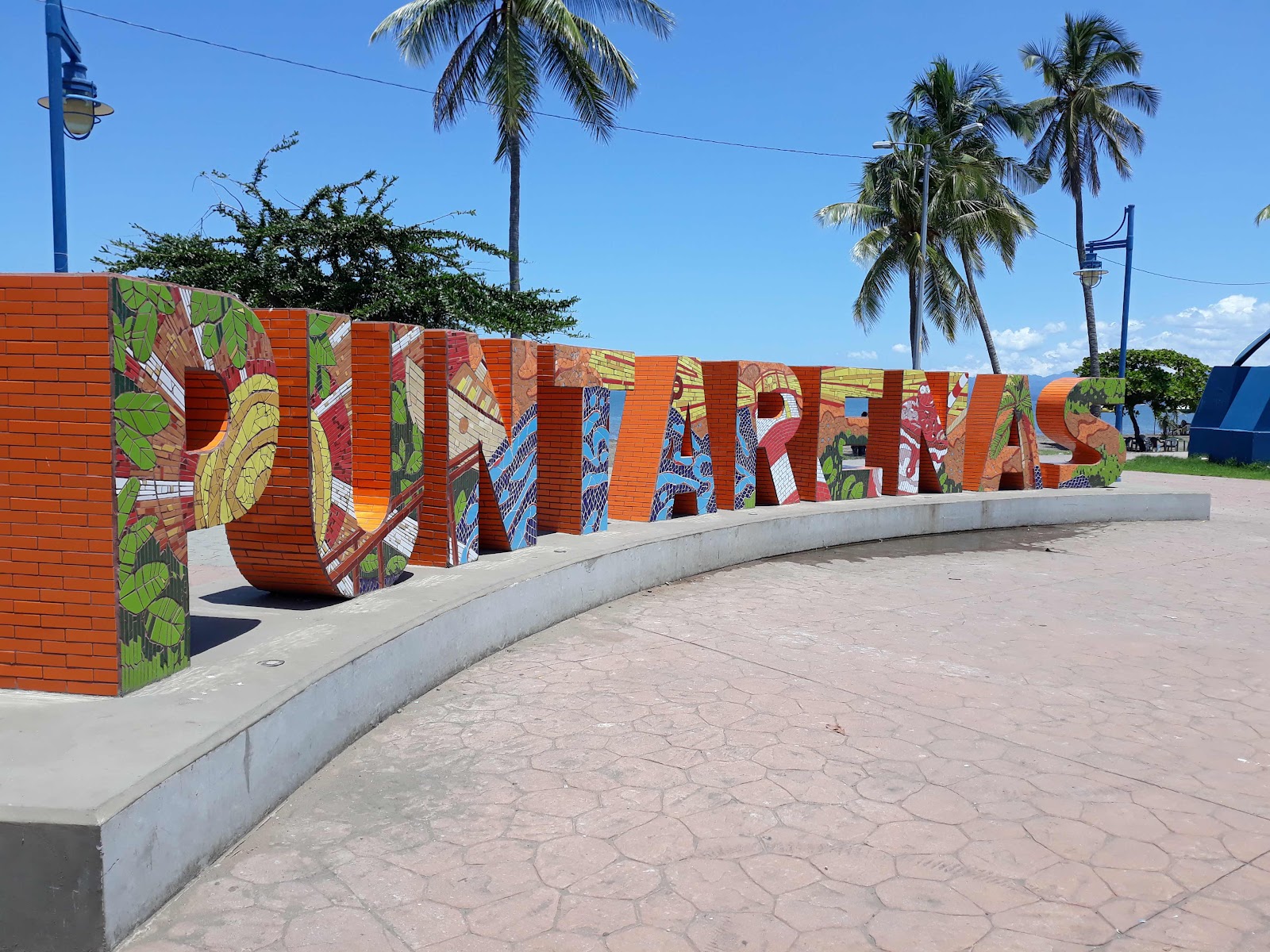
Yesterday we drove to the port town of Puntarenas in Puntarenas Province, on the Pacific Coast. Our reason for going was to attend the Puntarenas Gastro Tour at the Pacific Plaza and the House of Culture.

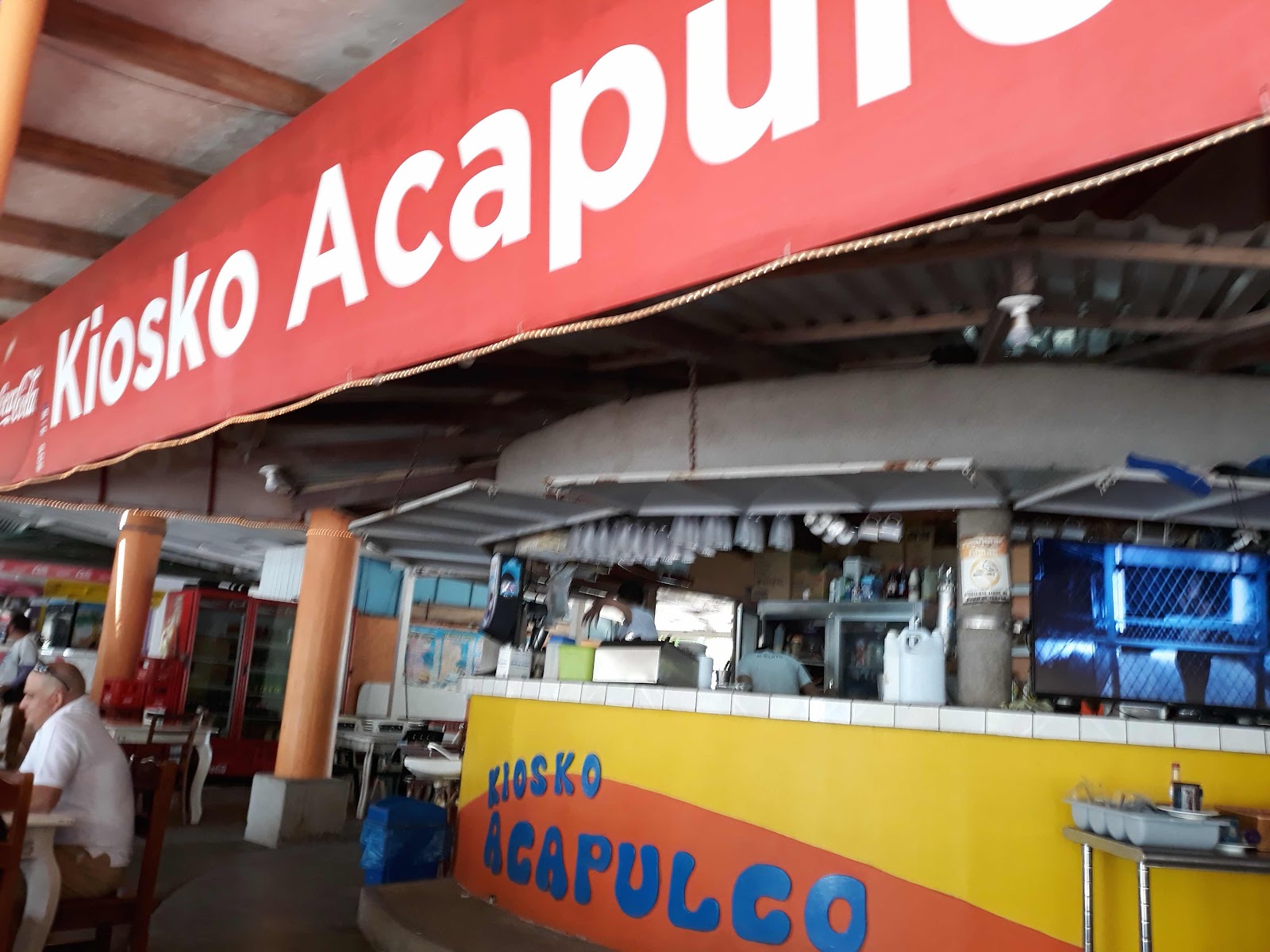
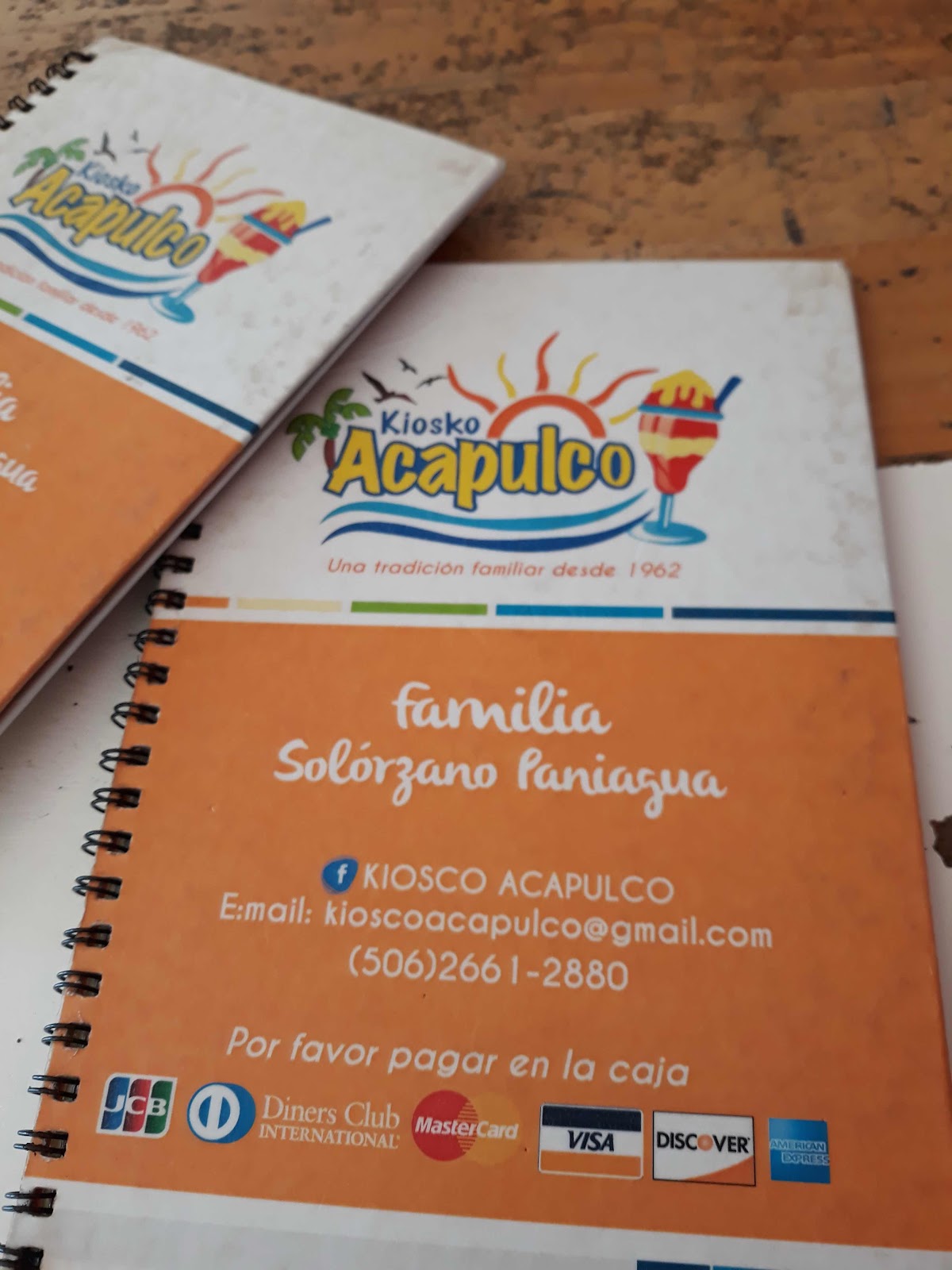
However, there didn’t seem to be a whole lot going on other then people standing around listening to a speaker - not at all like what the promotions promised. So we abandoned this idea and walked across the street to the open air cafes that line the waterfront. We were enticed into the Kiosko Acapulco by the promise of ceviche, one of my favorite things to eat. This restaurant has been around since 1962.


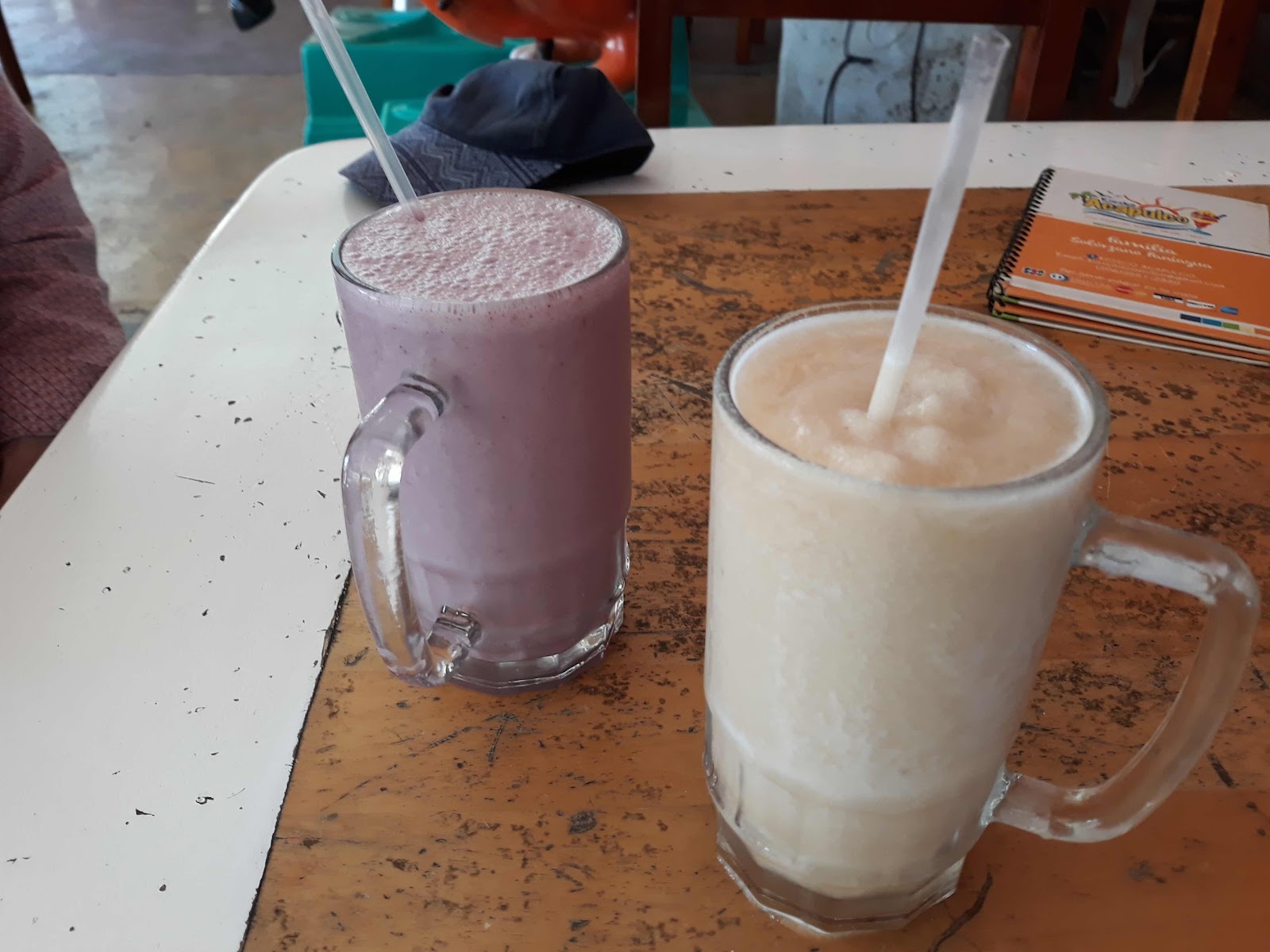
We shared one large order of shrimp ceviche - it came with banana chips - and was cold and tangy with lots of cilantro. Also had cold fruit drinks - mine was tamarindo and Lance had mora (a type of blackberry grown here). I can’t get enough of these drinks and always order one - a different fruit each time.


Our ceviche - large enough for two to share.


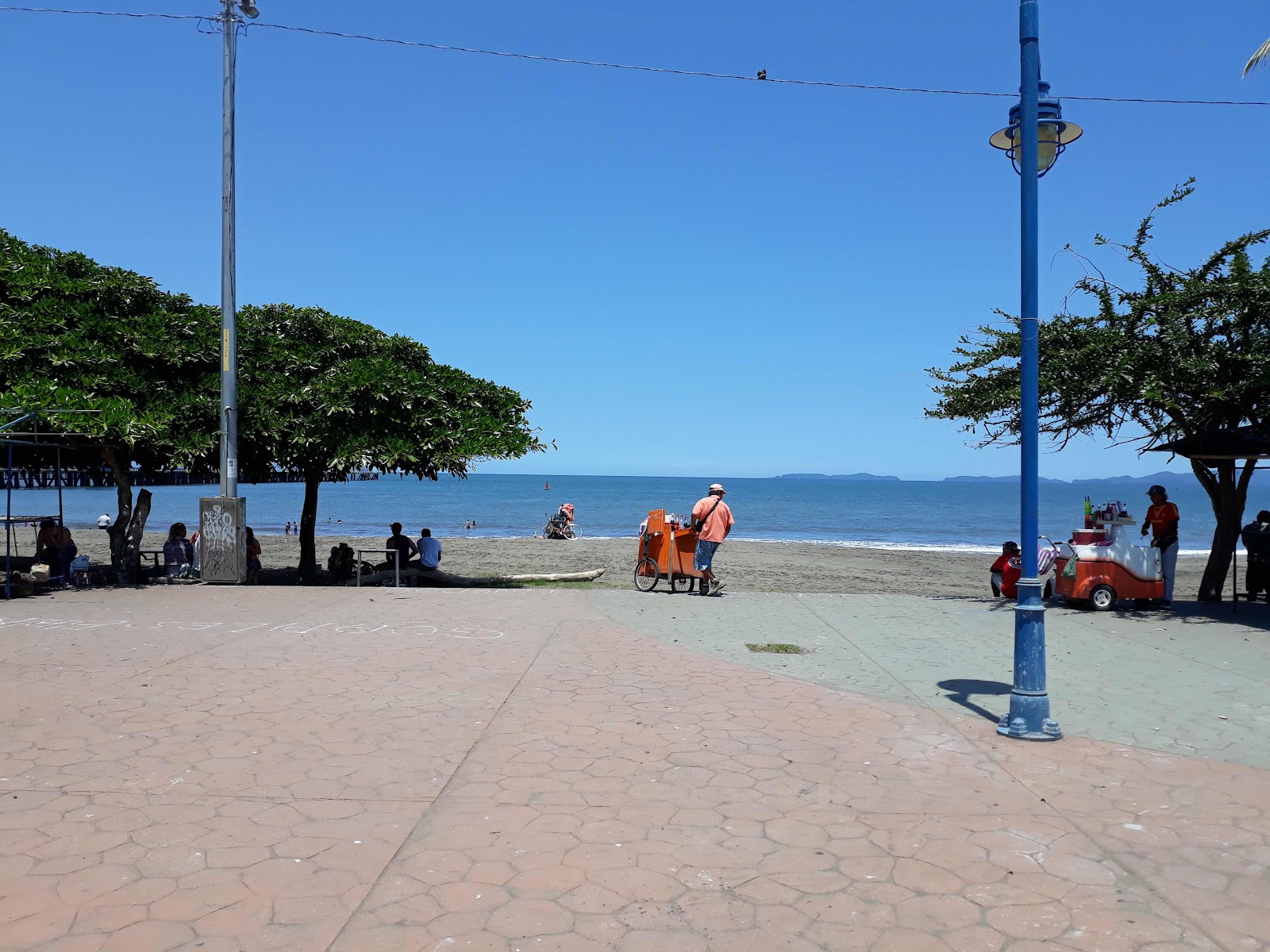
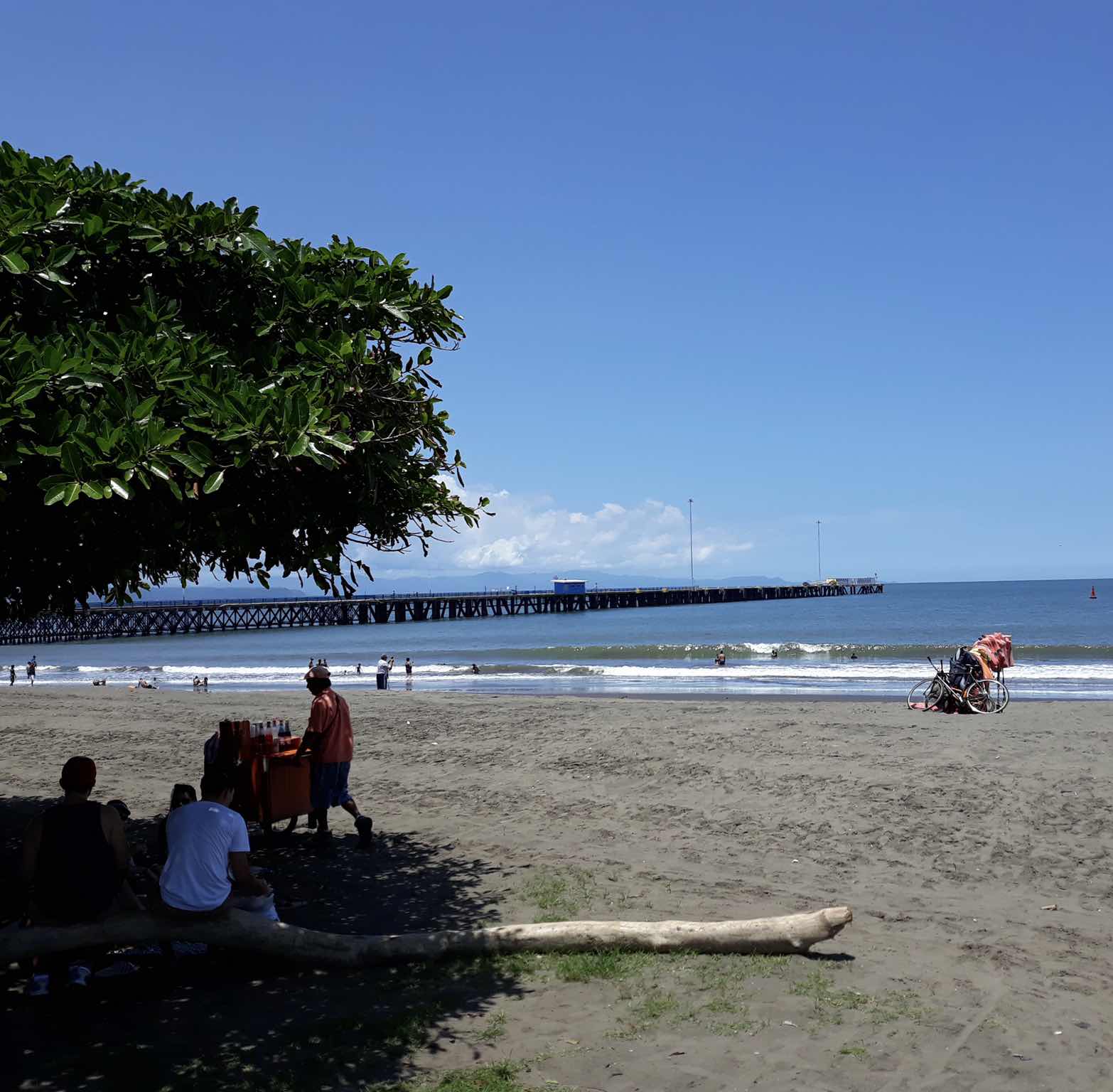
The copo man pushing his cart - you have to try one of these treats.


Cruise ship pier - no boats today.


I like Puntarenas a lot. It’s a Tico town so we get to mingle with the locals. Super fresh seafood comes in on the fishing boats and there are lots of excellent seafood restaurants. The restaurant prices were a bit higher then we are used to, reflective of tourists disembarking off the cruise ships I guess.

I wanted to use the washroom (baño) before heading home so I asked one of the restaurant workers where it was and he took me to it, apologized that they only had one, and said “Welcome to Costa Rica” (haha, guess I will always look out of place). I knew enough to tip him in colones so maybe he rethought his first impression that I was a tourist.

 We retrieved our car from the watchiman and headed home. This was a nice day trip.

Sunday, July 14, 2019

Breakfast at the Feria

We decided to have breakfast at Grecia’s feria del agricultor, or farmers’ market. This market is much larger then the one in Atenas, where we used to live. It is open on Friday from 11am to 9pm and on Saturday from 5am to 1:30pm.

The selection of tropical fruits and vegetables is amazing - stand after stand of fresh, in-season produce. Fish, meats, breads and cheeses are also available, in addition to clothing, garden plants, fresh cut tropical flowers, leather products, etc. This is the place to go for your weekly produce shopping and the prices are very reasonable. There are also a number of sodas (mum and pop run eateries) and we had breakfast at one of them.

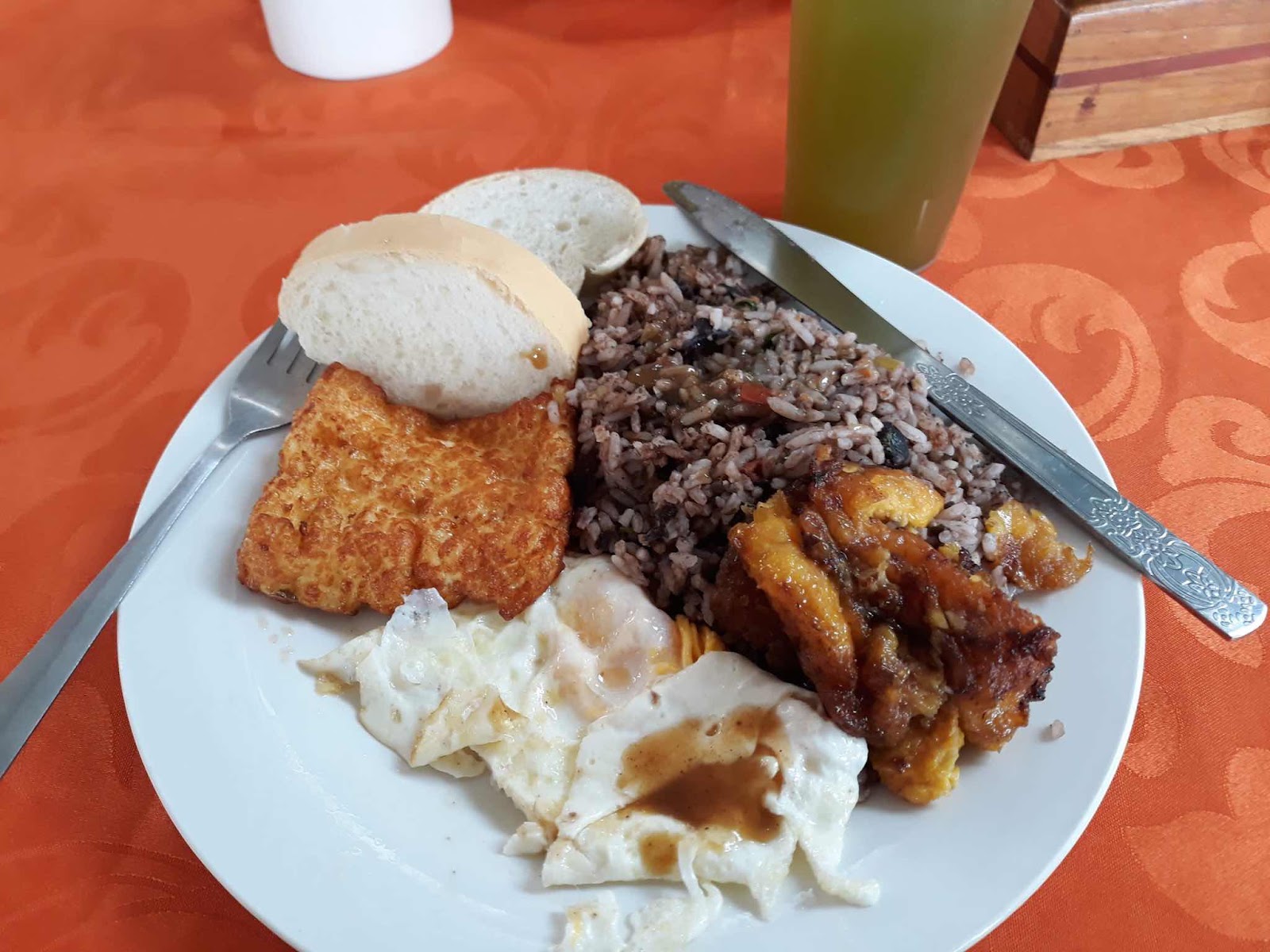
We each had the same selection. From top going to the right: bread, gallo pinto (rice and beans), plantains, fried egg (that’s Lizano sauce on my egg), and fried queso fresco (fresh white cheese). I smeared the soft cooked plantain on top of my bread. Cost for both dishes was around 6,000 colones, about $10 USD. This is a really tasty meal. 


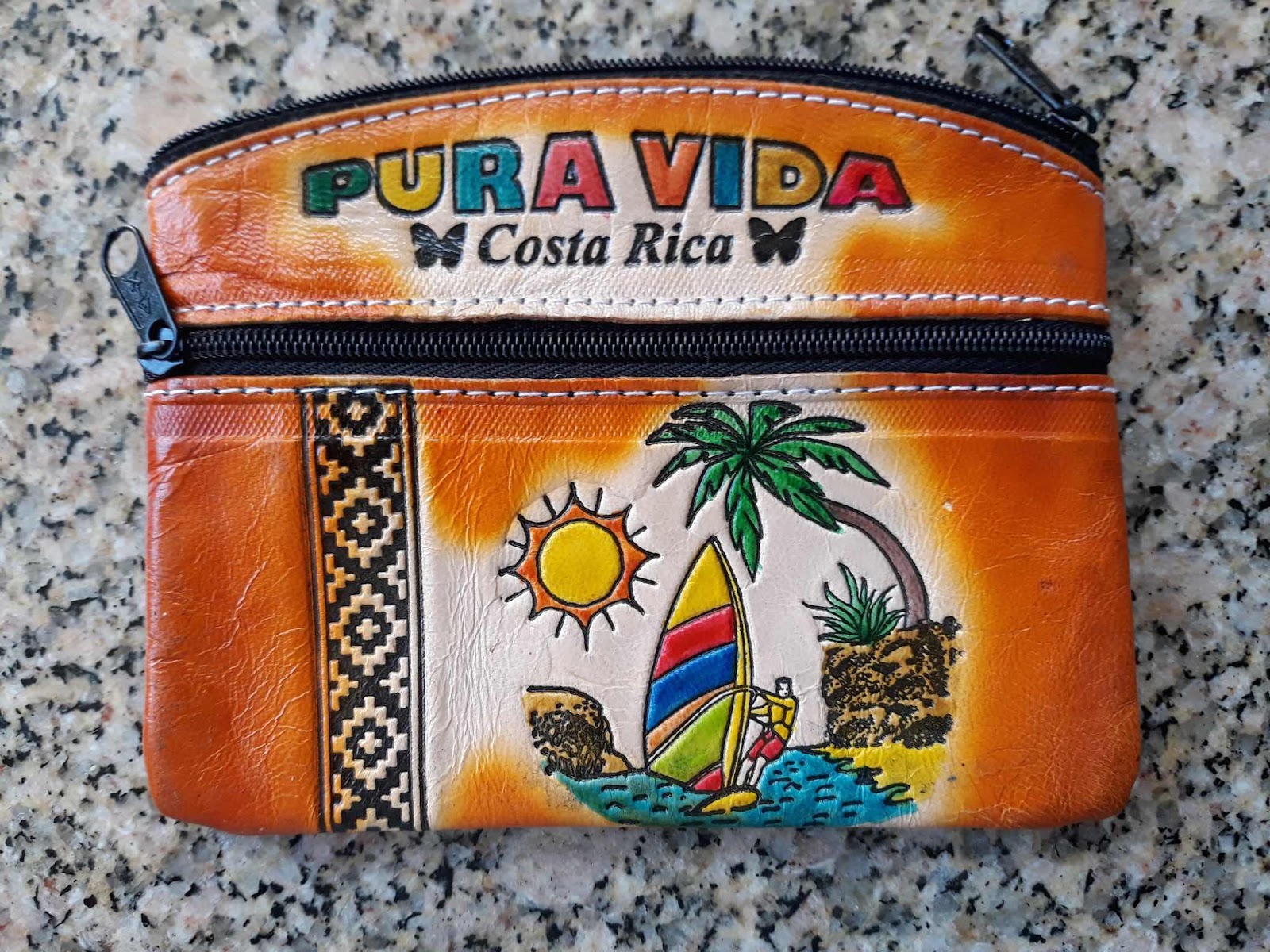
I have been looking for a leather wallet so we went to the leather worker’s stand. Didn’t find what I wanted but did buy this change purse.


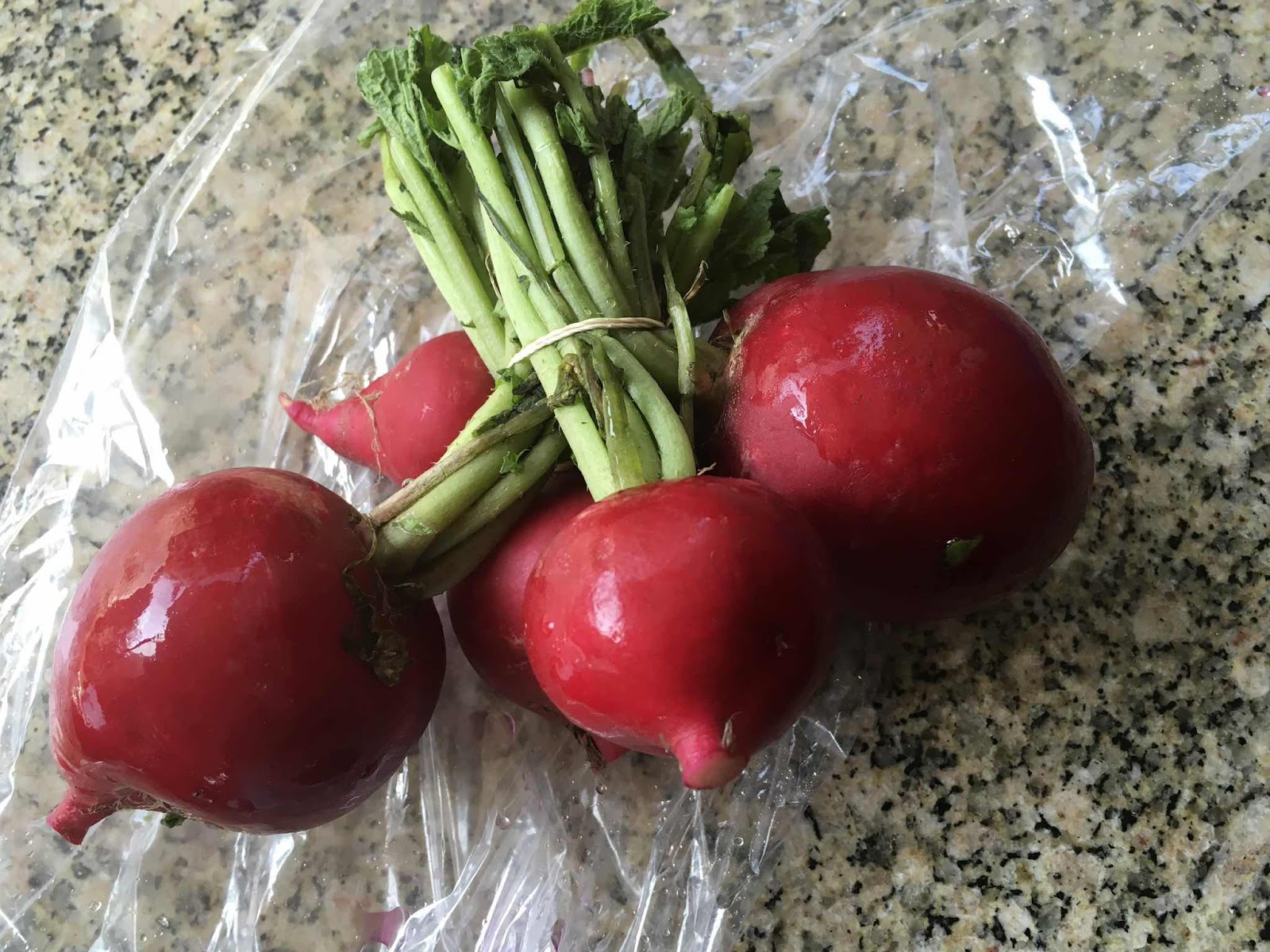
One stand had the biggest, shiniest radishes - they looked like they had been polished - so we bought some.
 

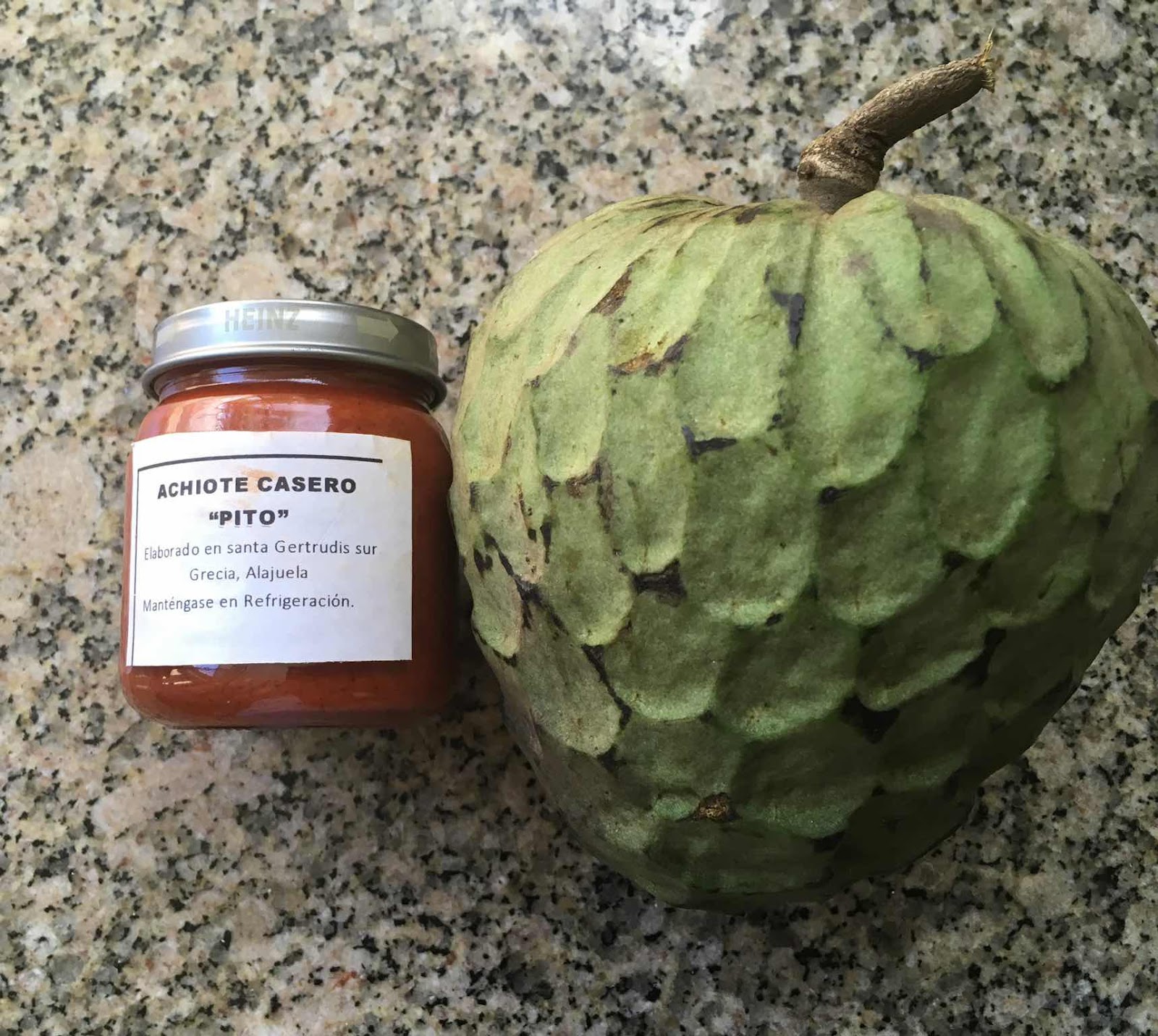
I also bought this same vender’s own homemade achiote (for some reason named pito - which means “whistle”) and a guanabana fruit. I made a roast chicken using the achiote.


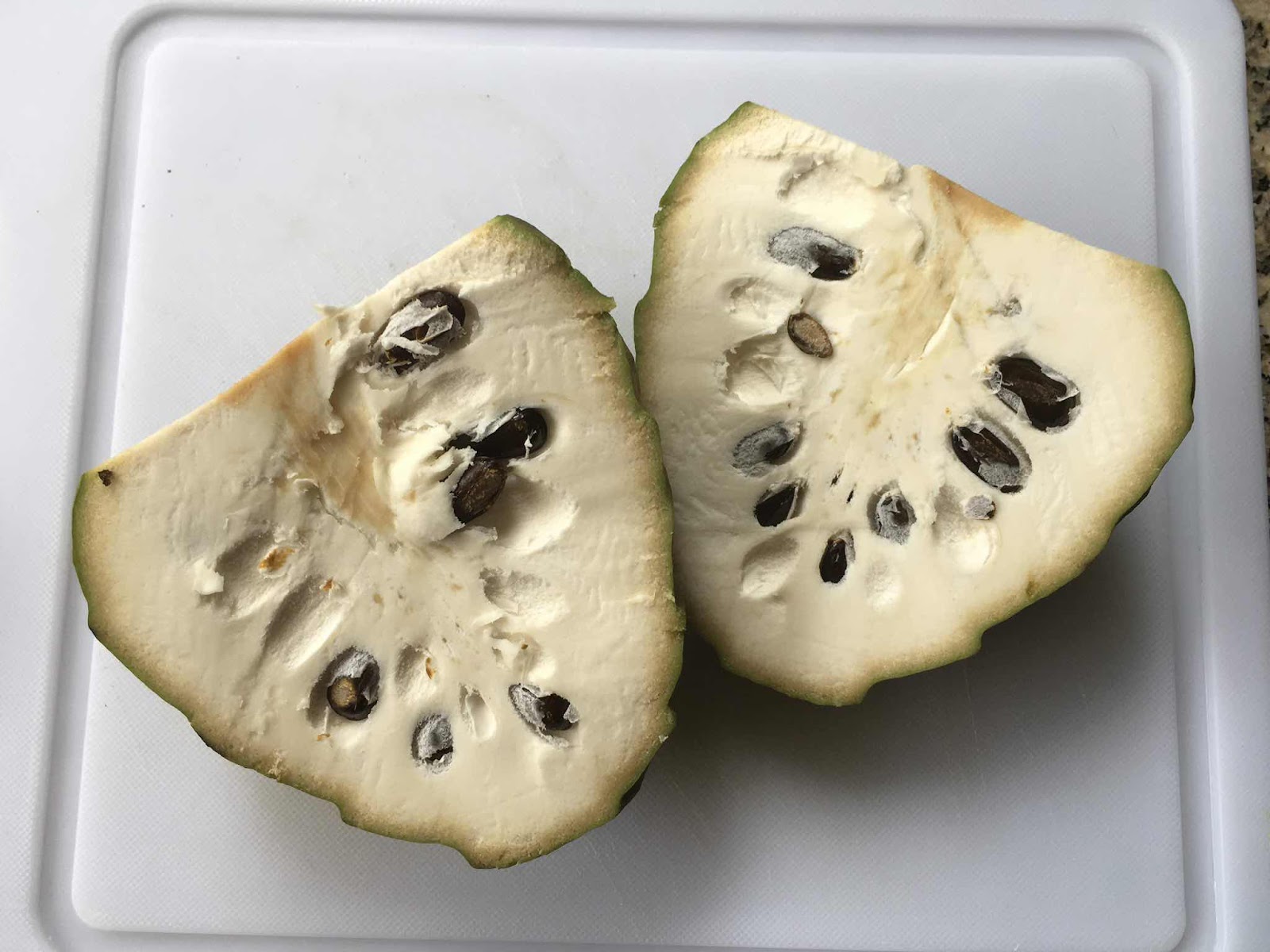
Here’s what the cut guanabana looks like. I use it in smoothies.


If you are visiting Costa Rica, do not miss out on an opportunity to stop at a feria - one of the delights of living here.

Tuesday, July 9, 2019

Eyes on Costa Rica and Weather Records - June 2019

In June, visits to this blog were received from the following countries:


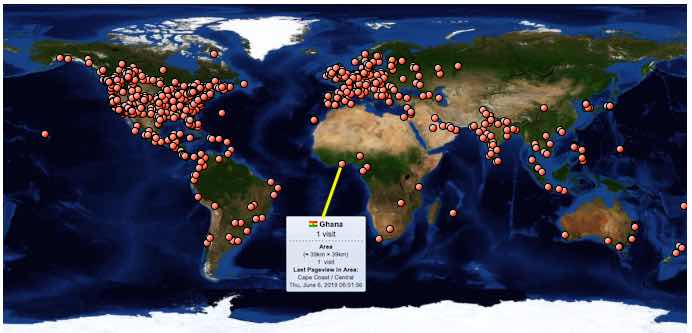
Visits have now been recorded from over 3870 towns, cities and other places located in 125 countries throughout the world. The most recent country since October last year is Ghana which is identified above and is highlighted on the map below.


On the map, red dots (many of which are buried under other red dots) indicate places from where visits have occurred since September 29, 2016. Dots for visits recorded before that date do not appear.

While the vast majority of visits continue to come from Costa Rica, the United States and Canada, it remains clear that people from many other countries have their eyes on Costa Rica.

In addition to the above, my video on "Landing at Juan Santamaría Airport, Costa Rica" has continued to attract interest not only through this blog where the video was first posted on August 26, 2017 but also directly through YouTube independently of the blog. Since October of last year, the number of times the video has been viewed has risen from over 2590 views to over 4420 views.

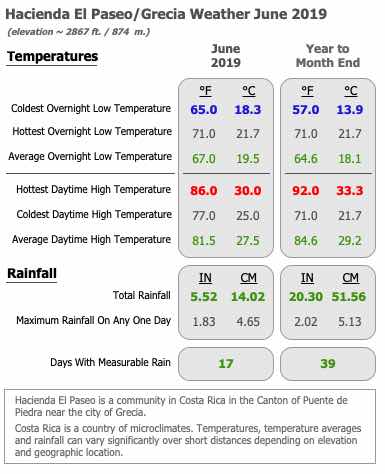
With regard to the weather, the following is a summary for the month of June in the area where we live:


Compared to May (the beginning of the rainy season), the temperatures in June were generally unremarkable. However, there was a significant drop in rainfall. In May, the rainfall was over 14 inches (37 centimeters). As indicated above, it dropped to 5.52 inches (14.02 centimeters) in June.

Apparently, the drop in rainfall is not unusual. Although the rainy season begins in May, it will typically be interrupted by a mini-summer or "verano" or "veranilla" with relatively little rainfall. This is then followed by several months where heavy rainfall can be expected until the onset of the next dry season in November or December. We shall see.

By the way, if you look on the Internet for reliable weather forecasts for any given town or city in the Central Valley of Costa Rica, you should understand that the information you likely will get is that coming from a weather station at the  near the city of Alajuela. Given the microclimates in Costa Rica, including those in the Central Valley, the information is often completely unreliable except for places very near to the airport. Grecia is not one of such places. Nor is Atenas where we used to live. Nor too are places such as San Ramon, Palmares, Sarchi, Naranjo, etc. All such places are within about a 1 hour drive from the airport. Type in any one of the place names on a weather channel website and the results you get will likely be those for the airport. The clue that this is so is when all places have the same forecast or that when all places have the same "current conditions".

Tuesday, July 2, 2019

Canada Day 2019 in Costa Rica

July 1st is Canada Day or Dominion Day as some people like to call it. It is a federal statutory holiday and celebrates the anniversary of July 1, 1867, the effective date of the Constitution Act.

This year, being Canadians, we received an invitation to a Canada Day celebration, courtesy of the Canadian Club of Costa Rica.


The festivities were held at Café Kivu (formerly Café David) at the highly regarded Zoo Ave (“ave” is Spanish for “bird” not “avenue”) in La Garita. It is not really a zoo but a sanctuary for injured birds and animals, which hopefully can eventually be returned to the wild. It has won awards for the work it is doing. Here is how Café Kivu got its name. The owner is Canadian and he gave a welcoming talk. 


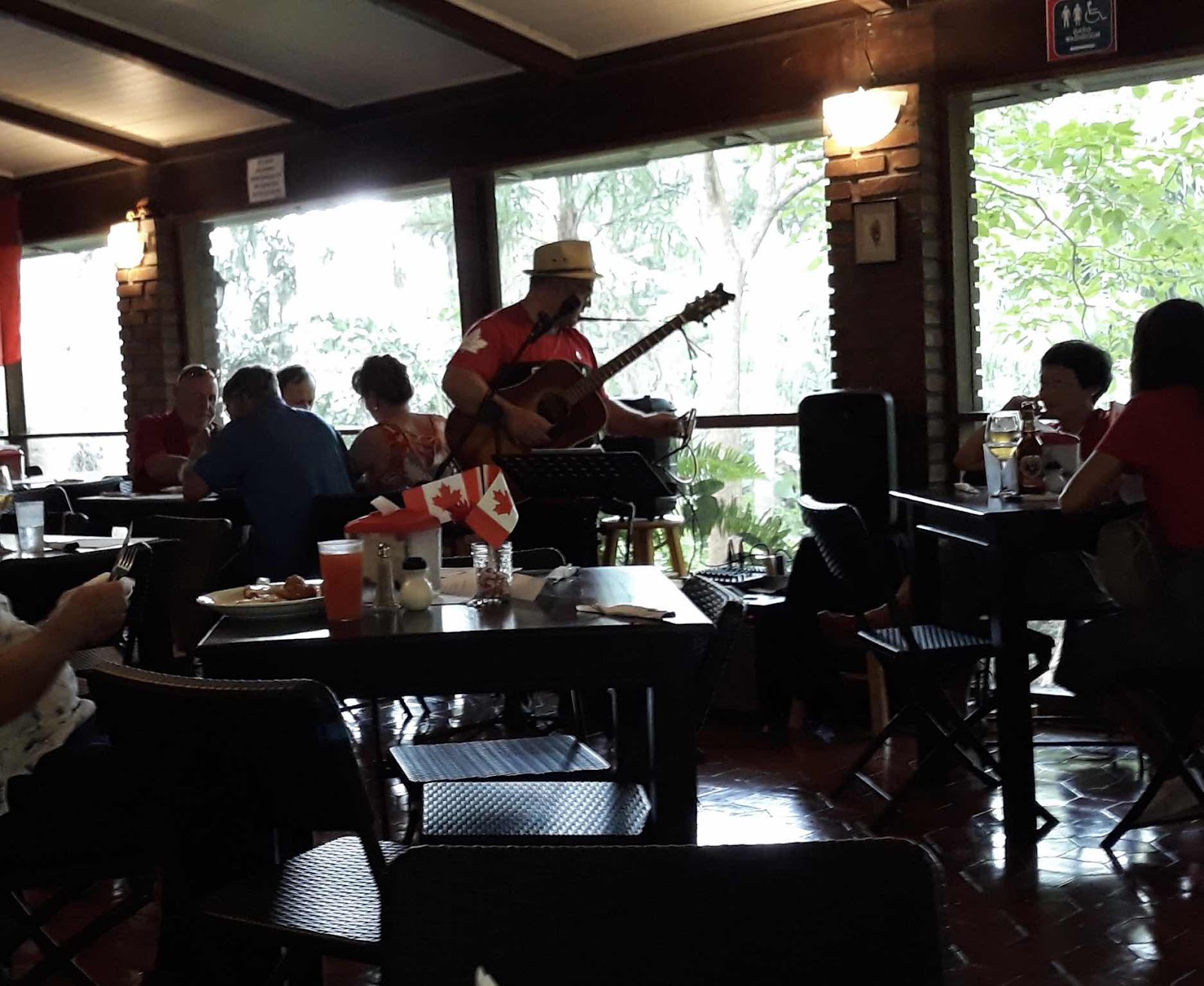
The Chargé d’Affaires from the Canadian Embassy was there. We shared a table with a Canadian couple from Ontario and it turned out they live not far from us. Also met Canadians that I am friends with on Facebook but had never actually met in person. There was live music and prize drawings. The buffet was good, so was the cold beer. We ordered cheesecake with mora on top - excellent. The Costa Rican anthem was played, and then the Canadian anthem. Thanks to Ron Findlay from the Canadian Club for putting this on - and I’m sure there were others too but I don’t have their names.

We had a great time.

Ron Findlay and his hat:


My lunch - breaded fish, vegetables, cucumber salad and plantanos:


Live music - thanks, Frank.